


Possum Removal Avondale Heights
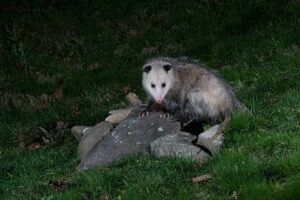 Avondale Heights sits close to the Maribyrnong River and the pocket of parkland around Cross Keys Reserve, and that stretch of green space along the water is a big part of why possums turn up so often in the surrounding streets. The suburb’s older brick veneer homes, many built from the 1950s through to the 1970s, tend to have roof cavities that were never designed with possum-proofing in mind, so a gap around a fascia board or a loose roof tile can be all it takes for one to move in. If you’ve been hearing footsteps above the ceiling after dark, or you keep finding your pot plants knocked around each morning, it’s worth taking that as a sign rather than putting up with it.
Possum Removal Melbourne has been helping Avondale Heights homeowners deal with this exact situation for years, and the job is rarely as simple as just catching the animal — it’s about understanding why it chose your roof in the first place and making sure it can’t come back once it’s gone.
Where Possums Usually Set Up in Avondale Heights Homes
Roof voids and ceiling cavities are the most common spot, particularly in older homes where insulation has shifted or timber has warped slightly over the decades. Garages, carports and the gap under elevated decking come next, especially on blocks backing onto reserves or with mature trees close to the house. Possums will also nest in dense shrubs, palm fronds and overgrown hedges when there’s no obvious way into the roof, so a possum in the garden doesn’t necessarily mean one is inside the house too — though it’s often only a matter of time.
Why a Possum Problem Shouldn’t Be Left Alone
Beyond the noise, a possum living in a roof cavity causes damage that compounds the longer it’s left. Insulation gets flattened and soiled, timber battens are gnawed at, and wiring can be chewed through, which is a genuine fire risk rather than an exaggeration. The smell from droppings and urine builds up in an enclosed roof space and doesn’t disappear once the possum’s gone — affected insulation usually needs replacing rather than just cleaning. Possums also carry parasites like fleas and mites, and while not aggressive by nature, a cornered possum will scratch or bite, so it’s not something worth handling without the right equipment.
Our Approach to Possum Removal
Every property is assessed on its own merits rather than treated the same as the last job. Here’s what the process typically involves:
- Possum inspection – A technician goes through the roof void, eaves, subfloor, garage and garden to work out exactly where the possum is getting in and how established the problem has become.
- Trap placement – Cage traps are positioned at the confirmed entry point, set up so the possum is captured safely and without unnecessary stress.
- Release under regulation – Once trapped, the possum is released within 50 metres of the property, exactly as Victorian wildlife law requires, rather than being relocated somewhere unfamiliar.
- Sealing the entry point – The gap that let the possum in is closed off with durable materials so it — or another possum — can’t get back in later.
Most jobs in Avondale Heights are completed within a few days of the trap going in, though a nesting mother with young can occasionally take a bit longer to resolve properly.
The Legal Side of Possum Control You Should Know
Possums are a protected species under Victorian wildlife legislation, which means there are clear limits on how they can be trapped and where they’re allowed to be released — taking one across town or to a nearby park isn’t permitted, and harming one carries real penalties. This is one of the main reasons DIY possum removal tends to cause more problems than it solves; well-intentioned attempts to relocate an animal can unknowingly breach the rules. Bringing in a licensed provider for possum pest control means the entire process, from the first inspection to the final release, stays compliant without you having to navigate the legislation yourself.
Keeping Your Property Possum-Free Long Term
Removing the current possum only solves half the problem if the entry point stays open. A few practical steps make a real difference:
- Trim back branches overhanging the roofline or touching the gutters
- Seal gaps around eaves, roof tiles, vents and fascia boards
- Fit mesh guards to downpipes and gutters that possums use to climb
- Keep pet food indoors overnight rather than leaving it out in the yard
- Net fruit trees and vegetable beds, especially during the warmer months
None of these steps need to be expensive, and most can be handled during the same visit as the trapping and exclusion work.
Book Your Possum Inspection in Avondale Heights
If possums have settled into your roof, garage or garden in Avondale Heights, the sooner it’s sorted, the less damage and clean-up you’ll be left with. Call 03 9021 3762 to book a possum inspection with a licensed local technician who’ll handle the whole job safely, humanely and within Victorian wildlife regulations.