


Possum Removal Templestowe
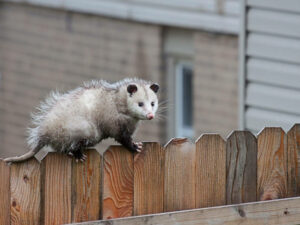
Templestowe sits right along the Yarra River corridor, and if you’ve lived here for any length of time, you’ll know the trade-off that comes with all those established gardens, tall gums and leafy nature reserves nearby — possums think your roof looks just as inviting as the bushland does. The suburb’s older weatherboard homes and mature street trees give these animals a near-perfect bridge from the tree canopy straight into a roof cavity. If you’ve started hearing thumping overhead after dark, or noticed your vegetable patch looking worse for wear each morning, chances are you’ve got a possum settling in rather than just passing through.
Possum Removal Melbourne has spent years handling possum removal for homes and businesses across Templestowe, and we know exactly where these animals like to hide and how to get them out safely, without breaking any wildlife laws in the process.
Signs You’ve Got a Possum, Not Just Noisy Birds
Not every scratching noise means a possum, so it helps to know what to look for before you call anyone out. The most common giveaways include:
- Heavy footsteps or thumping in the roof space, usually starting around dusk
- Grease marks or smudging around roof vents and eaves where a possum squeezes through repeatedly
- Droppings that are noticeably larger than rat or mouse droppings, often clustered near the entry point
- A strong, musky smell building up in one section of the ceiling
- Chewed or torn insulation, and sometimes exposed or gnawed wiring
If more than one of these sounds familiar, it’s worth getting someone out to have a proper look rather than waiting to see if it sorts itself out. It rarely does — a possum that’s found a comfortable spot tends to stay put, and often brings young ones along for the ride.
Why It’s Worth Calling In a Professional
There’s a reason council rangers and vets both tell people not to attempt possum removal on their own. Possums are protected under Victorian wildlife legislation, so there are firm rules about how they can be trapped and where they’re allowed to be released — get this wrong and you could be looking at a fine, not just a re-infested roof. On top of the legal side, possums aren’t always gentle when they feel cornered. Scratches and bites are more common than people expect, and they can carry fleas, mites and other parasites that you really don’t want spreading through your home. A trained technician handles all of this with the right equipment, so nobody — human or possum — gets hurt in the process.
What Happens When You Book a Possum Removal
Every job starts with a proper look around the property rather than guesswork. Here’s the general order of things:
- Site inspection – We check the roof void, eaves, subfloor, garage and garden beds to work out where the possum is getting in, how long it’s likely been there, and whether there’s more than one animal involved.
- Trap placement – Cage traps go in at the confirmed entry point, positioned so the possum is caught without stress or injury.
- Compliant release – Once trapped, the possum is released within 50 metres of the property, exactly as Victorian regulations require, rather than being driven off to an unfamiliar area.
- Sealing up entry points – The gap that let the possum in gets closed off properly, using materials tough enough that it can’t simply chew or push its way back through.
Most residential jobs in Templestowe wrap up within a few days of the trap going in, though it can vary depending on how settled the possum has become and whether there are young in the nest.
The Possums You’re Most Likely to Find Locally
Two species turn up most often in this part of Melbourne’s east. The Common Brushtail Possum is the larger of the two, with a bushy tail and a preference for roof cavities and larger tree hollows — it’s usually the one responsible for the heavier thumping sounds. The Common Ringtail Possum is smaller, more agile, and just as likely to be found nesting in dense garden shrubs, palm fronds or a drey built from twigs and leaves out in the open. Both are protected, and both are handled the same way under the law, even though their habits differ slightly.
Stopping Them Coming Back
Trapping the current resident is only ever half the job. Without proofing the property, a new possum tends to move into the same gap within weeks, sometimes days. Steps worth taking include:
- Trimming back branches that overhang the roofline
- Sealing gaps around roof tiles, eaves and vents with possum-proof materials
- Fitting mesh guards over gutters and downpipes possums use to climb
- Bringing pet food inside overnight rather than leaving it out
- Netting fruit trees and vegetable beds during growing season
Book Your Possum Inspection Today
If you’ve got possum activity anywhere on your Templestowe property, the sooner it’s dealt with, the less damage and mess you’ll be cleaning up later. Call 03 9021 3762 to book an inspection with a technician who knows the local area and works entirely within Victorian wildlife regulations.