


Possum Removal Frankston
Frankston’s mix of established bayside homes, older weatherboard properties and leafy pockets near Kananook Creek and the surrounding reserves makes it one of the more possum-active suburbs on Melbourne’s south-eastern fringe. Many of the homes here were built decades ago, long before roof design accounted for how persistent a possum can be when it’s looking for shelter, and that gap between old construction standards and a determined animal is where most call-outs start.
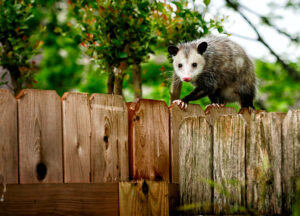
If you’ve noticed heavy footsteps overhead once the sun goes down, or found your garden beds disturbed most mornings, there’s a fair chance a possum has already made itself comfortable somewhere on the property.
For homeowners searching for dependable Possum Removal Melbourne support, our Frankston team handles everything from the first inspection through to sealing the roof so the problem doesn’t return. We’ve worked on everything from beachside cottages to newer builds further from the foreshore, and the approach always starts the same way — find out exactly what’s going on before deciding how to fix it.
What Draws Possums to Frankston Properties
A few local factors make this suburb more prone to possum activity than some of the newer estates further inland. Established gardens with mature gums and native shrubs give possums plenty of cover to move between properties unnoticed, while older roof cavities tend to have wider gaps around fascia boards and roof tiles that widen further with age and weather exposure. The proximity to bushland reserves and creek corridors around Frankston also keeps a steady supply of possums looking for new territory, especially young ones pushed out by their mothers once old enough to fend for themselves.
The Real Cost of Leaving a Possum Where It Is
A possum settling into a roof cavity rarely stays quiet or tidy. Over time, droppings and urine soak into insulation, timber battens get gnawed, and electrical cabling can be chewed through, creating a genuine fire hazard rather than just a maintenance headache. The odour tends to intensify in warmer months, and simply removing the possum doesn’t fix the smell once it’s set into insulation — the affected material usually needs replacing. There’s a health angle too: possum fur and droppings can carry parasites, and a possum that feels cornered will scratch or bite in self-defence, which is one more reason DIY removal attempts often end badly.
How We Handle Possum Removal in Frankston
We keep the process consistent so every job is handled properly, regardless of how big or small the problem looks at first:
- Possum inspection – A technician checks the roof void, eaves, subfloor, garage and garden to pinpoint entry points and assess how long the possum has likely been there.
- Trap placement – Cage traps are set at confirmed access points, positioned to capture the possum safely without causing injury or unnecessary stress.
- Compliant release – Once caught, the possum is released within 50 metres of the property, in line with Victorian wildlife regulations, rather than being taken away from its territory.
- Proofing the property – Entry points are sealed using materials strong enough to stop the same possum, or a new one, from getting back in.
Most Frankston jobs are resolved within a few days of the trap being set, though a nesting mother with young can occasionally take a little longer to relocate safely.
Staying on the Right Side of the Law
Possums are protected under Victoria’s wildlife legislation, so there’s no legal way to trap one and drop it off somewhere else across town, and harming one — even accidentally — can carry real penalties. Release always has to happen close to where the possum was originally caught, which surprises a lot of people who assume “further away” means the problem is solved for good. Because these rules aren’t always obvious, engaging a licensed provider for possum pest control means you’re covered from the initial call-out right through to the final inspection, without the guesswork of figuring out the regulations yourself.
Reducing the Chance of Possums Returning
Once a possum has been removed, the focus shifts to making the property less appealing to the next one. A handful of straightforward steps make a real difference:
- Cut back branches that give possums a direct path onto the roof
- Seal gaps around eaves, roof tiles, vents and fascia boards with durable materials
- Fit guards to gutters and downpipes that possums commonly climb
- Bring pet food indoors overnight rather than leaving bowls out
- Net vegetable gardens and fruit trees, particularly during warmer growing months
None of these steps are especially costly, and most can be arranged as part of the same visit once the initial trapping work is done.
Book Your Possum Inspection in Frankston Today
If possums have made themselves at home on your Frankston property, the sooner it’s addressed, the less repair work and mess you’ll be left dealing with. Call 03 9021 3762 to book a possum inspection with a licensed local technician who’ll manage the whole process safely, humanely and in line with Victorian wildlife law.