


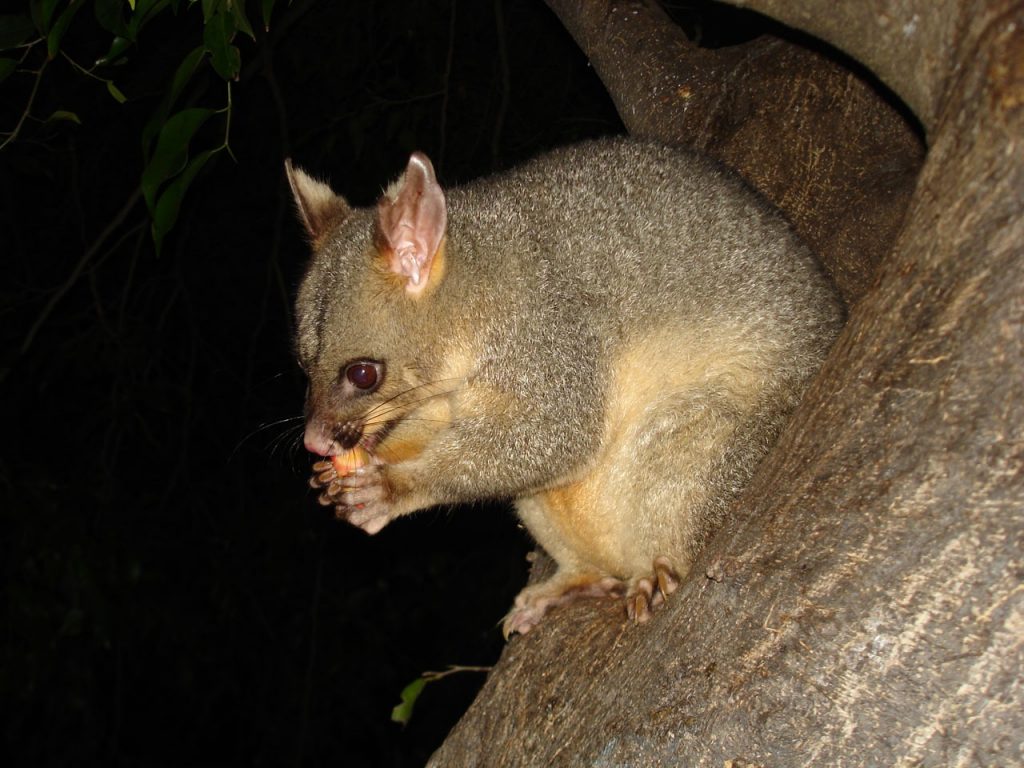
Most homeowners discover they have a possum problem the obvious way — through sound. The heavy footsteps above the bedroom ceiling, the scrabbling along the eave line just after dark, the occasional thud that rattles the light fitting. But by the time a possum is making itself known at that volume, it has almost always been in residence for considerably longer than the homeowner suspects. The reality is that possum activity leaves a trail of evidence long before it becomes audible — evidence that requires trained eyes, specialist equipment, and systematic methodology to find. That is precisely why professional possum control in Melbourne delivers outcomes that a self-guided inspection simply cannot match. This article explains exactly how licensed professionals find what homeowners miss.
Why a Standard Visual Inspection Is Never Enough
The assumption most homeowners make — that if there’s a possum living in their roof, they’d see the evidence from inside — is one of the most common and costly mistakes in possum management. The structure of a standard suburban roof space makes reliable self-assessment almost impossible, and the biology of the possum makes it even harder.
A possum moves through a roof cavity along specific, repeated paths — typically hugging the perimeter near the eaves, where the ceiling line meets the roofing structure. These paths are often inaccessible from a manhole, difficult to illuminate with a standard torch, and invisible from below the ceiling line. The nesting zone is almost always tucked into the furthest, darkest corner of the roof void — the spot a homeowner is least likely to reach safely.
Licensed professionals bring a framework to the inspection that removes these ambiguities. They know where to look, what subtle indicators to prioritise, and how to interpret partial evidence accurately. A professional inspection is not simply a more thorough version of what a homeowner does — it is a fundamentally different process that uses different tools and a different methodology.
Thermal Imaging and What It Reveals in a Roof Space
One of the most significant tools in a licensed possum professional’s kit is a thermal imaging camera. Thermal imaging detects infrared radiation — heat — and displays it as a colour-coded image that makes temperature variations visible in a way the naked eye cannot perceive.
In the context of possum detection, thermal imaging is used in two distinct ways. The first is direct animal detection: a possum resting in a roof cavity gives off body heat, and a thermal camera can locate that heat signature even when the animal is completely concealed behind insulation batts, beneath roofing iron, or in a section of the roof space the technician cannot physically access. A small, warm mass pressed against a cool roof structure is unmistakable on a thermal display.
The second application is moisture and contamination detection. Possum urine soaks into insulation and ceiling materials over time, creating localised zones of retained moisture.
This matters significantly for the remediation process. Knowing the precise location and extent of contamination allows a technician to recommend targeted replacement of affected insulation rather than blanket removal — which saves the homeowner money and avoids unnecessary disruption to undamaged sections of the roof void.
Thermal imaging is not standard equipment for a homeowner visiting a hardware store, and it cannot be meaningfully replicated with a standard inspection torch. It is a specialist tool that delivers information no other inspection method can.
Acoustic Assessment and the Science of Sound Analysis
Experienced possum professionals develop an acute understanding of the sounds associated with possum activity — and more importantly, the sounds that distinguish possum activity from other common roof pests. Acoustic assessment is a core part of the diagnostic process, and it extends well beyond simply listening for thumping.
The specific characteristics of possum movement are distinctive when analysed carefully. The weight distribution is heavier and more deliberate than a rat, which skitters. The timing follows a consistent nocturnal pattern — activity starting at or shortly after dusk, following the same directional path each night, and ceasing by mid-evening as the animal moves out to forage. The sound of re-entry typically occurs before dawn.
During a professional inspection, a technician will ask detailed questions about the sounds the homeowner has heard: which room, which direction the sound travels, what time it starts, whether it follows a consistent pattern or varies. This information, combined with the physical evidence found during the inspection, allows the professional to build an accurate picture of the animal’s entry point, nesting location, and transit path — all without having seen the possum directly.
Reading Physical Evidence Most Homeowners Walk Past
Beyond specialist equipment, licensed possum professionals are trained to read physical evidence at a level of detail that most homeowners simply do not have the reference point to match. The exterior of a property tells an experienced technician a great deal about what is happening inside — often before they enter the roof space at all.
Hair and fur traces are one of the most reliable indicators of a possum’s access route. Possums move through tight gaps repeatedly, and they leave fibres of fur caught on rough edges of roofing iron, fascia boards, and timber joins. These fibres are small enough to go entirely unnoticed without deliberate close inspection, but they pinpoint the exact entry and exit point used by the animal. A professional scanning the roofline with this in mind will locate the access point far faster and more reliably than a homeowner looking for an obvious gap.
Track patterns and smear marks around entry points are another indicator. Possums use oils secreted through their paws that leave faint marking patterns on surfaces they contact repeatedly. On painted fascia boards or pale roofing material, these marks are visible under certain lighting conditions and indicate heavy, regular usage of a particular point — exactly the kind of evidence a professional is trained to look for and act on.
Droppings, Odour Mapping, and Contamination Assessment
The detection of droppings and odour is something homeowners can sometimes do themselves — but the analytical interpretation of what those findings mean is where professional expertise becomes indispensable. Identifying that droppings are present is straightforward. Understanding what they reveal about the possum’s activity pattern, the duration of the infestation, and the extent of contamination in the roof cavity requires a trained assessment.
Possum droppings are dark, oval-shaped, and typically two to three centimetres in length — larger than rat droppings and distinctly different in shape from mouse droppings. A professional identifies these at a glance and immediately extracts useful information from their distribution: a tight cluster indicates a consistent nesting zone; droppings scattered along a path indicate a transit route; a volume of droppings in one location relative to another indicates which part of the roof the animal spends most time in.
Odour mapping is a technique that uses the presence and intensity of ammonia from dried possum urine to establish a contamination gradient within the roof space. Professionals can identify where the contamination is heaviest, where it has spread through the insulation, and whether it has reached the ceiling plasterboard below. This information directly shapes the remediation recommendation — and understanding possum removal cost in Melbourne in context means knowing that a precise contamination assessment saves homeowners money by avoiding unnecessary insulation replacement beyond the genuinely affected zones.
Together, these techniques — thermal imaging, acoustic assessment, physical evidence reading, and contamination mapping — give a licensed professional a complete and accurate picture of a possum infestation that no amount of self-guided inspection can replicate. The investment in a professional assessment is not just about removing the animal; it is about understanding the full scope of what has happened inside your roof before deciding how to respond.
What Happens After Detection — the Professional Response Process
Detection is the foundation of effective possum management — but it is only the first step. Once a licensed professional has completed a full assessment and established the location of the possum, its entry point, its nesting zone, and the extent of any damage, a structured response plan is put in place.
Authorised trapping is carried out using cage traps approved for use under Victorian wildlife legislation. These traps are positioned at the confirmed entry or exit point — identified through the inspection process — and checked within the legally required timeframe. Once the possum is captured, it is released within 50 metres of the property as required by the Wildlife Act 1975. This release distance is not a guideline — it is a legal obligation, and it reflects the fact that possums are territorial animals unlikely to survive relocation outside their established home range.
This end-to-end process — detect, remove, seal, remediate — is what a licensed professional delivers. Each stage is informed by the one before it, and the quality of the detection work determines the accuracy and effectiveness of everything that follows.
Suspect a Possum? Let the Professionals Find What You’re Missing.
If you’ve heard something in your roof but aren’t sure what you’re dealing with, the worst thing you can do is wait and hope it resolves itself. A professional inspection takes the guesswork out of the equation entirely — and it gives you an accurate, evidence-based picture of exactly what is happening above your ceiling before any damage has time to compound. The team at Possum Removal Melbourne carries out thorough, fully equipped property assessments using the same specialist methodology described in this article.
We handle everything from the initial inspection through to removal, sealing, and post-treatment advice — all carried out in full compliance with Victorian wildlife legislation, and all focused on giving your home lasting protection rather than a short-term fix.
We proudly service homeowners across Pakenham, Toorak, Camberwell, the Eastern Suburbs of Melbourne, Mitcham, Clyde, Noble Park, Templestowe, and all surrounding Melbourne suburbs.
Call Possum Removal Melbourne today on 03 9021 3762 — and let’s find out exactly what’s going on inside your roof.