


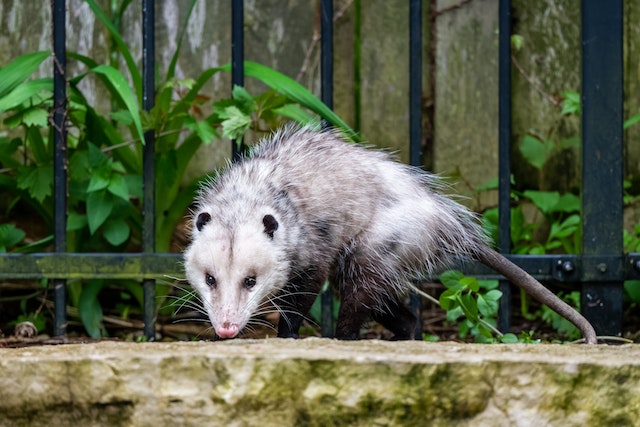
Possums are a common part of suburban life across Melbourne, yet many homeowners fail to notice the early signs of their presence until the problem becomes serious. These nocturnal animals are quiet during the day and active at night, which makes them easy to overlook. However, small clues often appear long before a full infestation occurs. In many cases, people only consider possum pest control in Melbourne after the noise or damage becomes unavoidable. Understanding these subtle warning signs early can help you act quickly and protect your home from costly and ongoing issues.
Subtle Night-Time Noises That Go Unnoticed
One of the earliest signs of possum activity is noise, but not always the loud kind people expect. Many assume possums create constant disturbance, yet in reality, the sounds can start off very subtle.
You may hear light scratching, gentle thumping, or soft movements across the ceiling late at night. These sounds often blend into the background and are dismissed as normal house noises or even the wind.
Possums are most active between dusk and dawn. During these hours, they move in and out of roof spaces, testing entry points and exploring the structure. Over time, these noises become more frequent and louder as the possum settles in.
Ignoring these early sounds is one of the most common mistakes homeowners make. What begins as occasional movement can quickly turn into heavy stomping and constant disruption once the possum establishes a nesting area.
Unusual Smells That Build Over Time
Another overlooked sign is the gradual development of unpleasant odours inside the home. Possum droppings and urine produce a strong ammonia-like smell, but it doesn’t always appear suddenly.
At first, you might notice a faint, musty scent in certain rooms, especially those directly beneath the roof cavity. This smell can easily be mistaken for dampness or poor ventilation.
As time passes, the odour becomes stronger and more noticeable. It may also attract insects, adding another layer of discomfort to your living space.
Because the smell develops slowly, many homeowners fail to connect it with possum activity. By the time it becomes obvious, the possum may have been living in the roof for weeks or even months.
Minor Roof Damage That Seems Harmless
Possums rarely break into homes in an obvious way. Instead, they take advantage of small structural weaknesses that most people would overlook.
Loose roof tiles, slightly lifted flashing, or small gaps under the eaves can all serve as entry points. These issues may appear minor and harmless, but they are exactly what possums look for.
Once they find a weak spot, possums will repeatedly return and widen the gap until it is large enough for entry. This gradual process often goes unnoticed until visible damage appears.
Homeowners may only discover the issue after seeing displaced tiles or hearing louder activity in the roof. By then, the possum has already established a secure nesting space inside.
Changes in Garden and Outdoor Activity
Possum activity is not limited to the roof. Many early warning signs actually appear outside the home, particularly in the garden.
You may notice partially eaten fruit, damaged plants, or disturbed soil. Possums are opportunistic feeders and will return regularly if they find a reliable food source.
Pet food left outside overnight is another common attraction. If bowls are consistently emptied without explanation, it may be a sign that possums are visiting your property.
In some cases, droppings may appear on decks, fences, or garden paths. These signs are often dismissed as general wildlife activity, but they can indicate that possums are already nearby and potentially exploring your roof.
Behaviour Changes in Pets
Pets often detect possum activity before humans do. Dogs and cats have a heightened sense of hearing and smell, making them more sensitive to movement above the ceiling.
If your pet is frequently staring at the roof, barking at night, or acting restless after dark, it could be reacting to possum movement.
Cats may attempt to climb or focus on specific ceiling areas, while dogs may bark or scratch at walls. These behaviours are often overlooked or misunderstood.
Paying attention to your pet’s reactions can provide an early clue that something is happening out of sight. It’s a subtle but valuable indicator that should not be ignored.
Insulation and Ceiling Changes
Possums nesting in roof cavities often disturb insulation materials. This damage may not be immediately visible but can have noticeable effects over time.
You might experience uneven temperatures in certain rooms, with areas feeling colder in winter or warmer in summer. This happens when insulation is compressed or displaced.
Ceiling stains can also begin to appear due to moisture from droppings and urine. These stains may start small but gradually spread if the issue is not addressed.
In some cases, light fixtures or ceiling panels may show signs of movement or sagging. These changes are often attributed to ageing structures, but they can also indicate ongoing activity above.
The Long-Term Impact of Ignoring Early Signs
Ignoring these subtle signs can lead to significant problems over time. Possums are persistent animals, and once they find a suitable nesting location, they are unlikely to leave on their own.
As their presence continues, the damage becomes more extensive. Electrical wiring may be chewed, increasing fire risks. Insulation may become contaminated, affecting air quality. Structural components may weaken due to ongoing activity.
Understanding the possum control cost in Melbourne gives a clearer picture of why acting early matters. Fixing the issue at the first sign is much easier and less stressful than dealing with major repairs later on.
Taking action early not only protects your property but also reduces stress and disruption to your daily life.
Possum activity rarely begins with obvious signs. Instead, it develops quietly, with small clues that are easy to overlook. From faint noises and subtle smells to minor roof damage and unusual pet behaviour, these early indicators are your first warning.
Homeowners who recognise these signs early are in a much better position to prevent serious damage. Being proactive allows you to address the issue before it escalates into a larger and more costly problem.
Whether you live in leafy suburbs or growing residential areas, understanding possum behaviour is key to protecting your home. Homeowners in Pakenham, Toorak, Camberwell, Eastern Suburb Melbourne, Mitcham, Clyde, Noble Park, and Templestowe frequently experience these hidden signs without realising what they mean.
If you’ve noticed any of these subtle signs around your property, it’s important to act before the situation worsens. The team at Possum Removal Melbourne can help identify hidden activity, locate entry points, and provide safe, humane solutions tailored to your home.
Call 03 9021 3762 today to arrange an inspection and take the first step toward a quieter, safer, and possum-free property.