


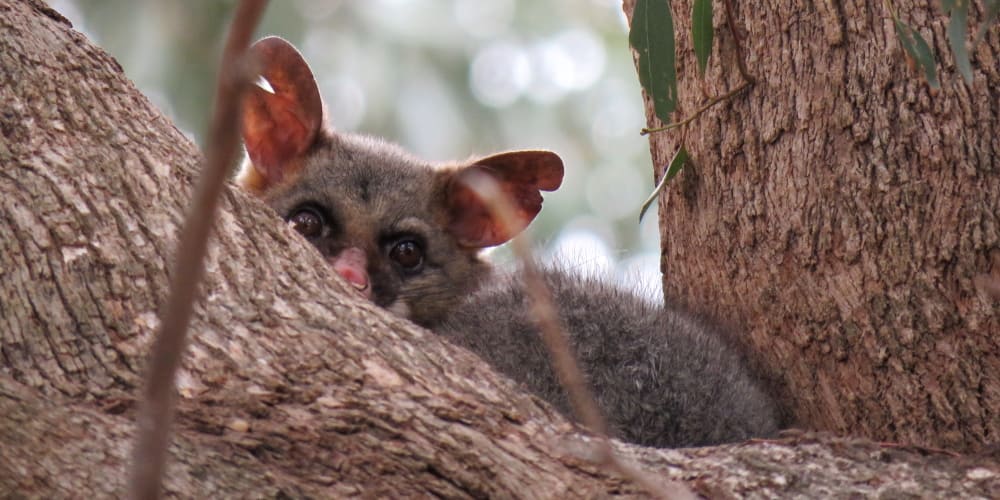
Finding a possum in or around your home is not an unusual experience for Australians — but what happens next is something most people handle incorrectly, and sometimes illegally. Possums are protected native wildlife under Australian law, which means the way you respond to their presence carries genuine legal weight. Simply chasing one off or trapping it without authorisation can land you in serious trouble, regardless of how reasonable your intentions were. For homeowners dealing with roof intrusions, property damage, or recurring nighttime disruptions, understanding the law is not optional — it’s essential. Organising proper possum removal in Melbourne is not just the practical choice; in many situations, it is the legally required one.
Possums Are Protected — and That Changes Everything
Before anything else, it helps to understand why possums sit in a different category to most household pests. Unlike rodents or insects, possums are native Australian wildlife and are protected under state and federal legislation. In Victoria, the Wildlife Act 1975 governs how native animals — including both brushtail and ringtail possums — can be handled, relocated, and managed.
This protection means that the rules most people instinctively apply to pest control simply don’t apply to possums. You cannot use conventional traps without a permit. You cannot relocate a possum more than 50 metres from where it was caught. You cannot hire an unlicensed person to remove one. These are not technicalities — they are legal obligations that carry genuine penalties.
What surprises many homeowners is that the law applies even when the possum has caused damage to their property. The fact that a possum has chewed through wiring, destroyed insulation, or fouled a ceiling does not give a homeowner the right to deal with it however they choose. The animal’s protected status remains in place regardless of the circumstances.
Understanding this from the outset is important. It shifts the way you approach the problem and removes the temptation to cut corners — which, in this case, can carry real legal consequences.
What the Law Actually Requires You to Do
When a possum is discovered inside your roof, in your garage, inside a wall cavity, or anywhere else on your property, the law outlines a specific set of permitted responses — and a clear list of things you are not allowed to do.
If the possum is inside your home or roof space, you are permitted to encourage it to leave on its own by opening access points and waiting. You may also contact a licensed wildlife handler or pest management professional who holds the appropriate authorisation to trap and relocate native animals. This is, in most situations, the most effective and legally sound approach available to a homeowner.
If a possum is trapped using an authorised cage trap — which must be set by or under the supervision of a licensed operator — the animal must be released within 50 metres of the capture site. This requirement exists because possums are highly territorial and are unlikely to survive if relocated to unfamiliar territory outside their established range. Releasing them further away is not a kindness — it is a welfare issue and a legal violation.
Injuring, killing, or otherwise harming a possum — even accidentally, through negligent trapping methods — is a serious offence under Victorian wildlife legislation. The penalties are not trivial, and ignorance of the law does not constitute a valid defence.
In short, the legally required response when a possum is found is: do not harm it, do not relocate it beyond the permitted distance, and engage a licensed professional if removal is necessary.
The 50-Metre Rule and Why It Matters More Than People Realise
The 50-metre relocation rule is one of the most consistently misunderstood aspects of possum management in Australia — and one of the most frequently violated, usually by well-meaning homeowners who simply didn’t know it existed.
The rule exists for a specific reason rooted in possum biology. Possums are territorial animals. Each individual has an established home range it knows intimately — including food sources, shelter options, and safe travel routes. Removing a possum from that range and releasing it even a suburb away is, in effect, dropping it into a foreign environment where it must compete with established residents for resources it doesn’t know how to find.
Studies on possum welfare consistently show that animals relocated beyond their home range have significantly reduced survival rates. They are more vulnerable to predation, more likely to be injured crossing unfamiliar roads, and less able to find adequate food and water. What feels like a humane solution — taking the possum somewhere new — is often the opposite.
The 50-metre rule also has a practical implication for homeowners: simply removing a possum does not solve the underlying problem. If the entry points that allowed it in are not sealed, another possum — or the same one — will return. Licensed professionals address both parts of the problem: the animal and the access point.
This is why wildlife authorities consistently advise against DIY relocation, even when homeowners have access to cage traps. The relocation distance is not a guideline — it is a legal requirement.
The Penalties for Getting It Wrong
Australian wildlife law is enforced, and the penalties attached to possum-related offences are significant enough to take seriously. In Victoria, offences under the Wildlife Act 1975 can attract fines of thousands of dollars for individuals, and higher penalties apply for repeat offences or cases involving deliberate harm.
Common violations that result in penalties include: trapping a possum without the appropriate licence or permit; relocating a possum beyond the permitted 50-metre limit; using inhumane trap designs; failing to check traps within the required timeframe; and causing injury or death to a possum through negligent handling.
Authorities do investigate complaints, particularly when a possum is found dead or when a trap is discovered set without appropriate authorisation. Neighbours, wildlife carers, and local councils can and do report suspected violations. The process of investigating and issuing infringement notices is well-established across Victoria.
For homeowners, the safest and most legally straightforward path is straightforward: engage a licensed professional from the outset. The cost of a professional service is modest compared to the potential cost of an infringement notice — and it removes all legal risk from the homeowner entirely.
It is also worth noting that claiming you did not know the law applies is not considered a mitigating factor in most wildlife offence proceedings. The obligation to know the rules sits with the person taking action, not with the authorities enforcing them.
Understanding What a Licensed Possum Professional Actually Does
One of the reasons some homeowners are reluctant to call a professional is uncertainty about what the process involves and how much it is likely to cost. In reality, professional possum management is a structured, transparent service — and far less complicated than most people expect.
A licensed possum professional will begin with a thorough inspection of the property. This typically covers the full exterior roofline, entry and exit points, surrounding trees and vegetation, and the interior of any accessible roof space. The purpose is to understand how the possum is getting in, where it is nesting, and what is drawing it to the property in the first place.
Once the inspection is complete, the professional will recommend a course of action — which almost always includes both the removal of the animal and the sealing of entry points to prevent re-entry. Comparing possum control cost in Melbourne against the expense of ceiling repairs, insulation replacement, or wildlife offence penalties makes the decision straightforward for most homeowners.
The removal process itself uses authorised trapping methods, with the possum released within the legally required distance. Entry points are then sealed using materials that prevent re-entry — heavy-gauge mesh, treated timber, or appropriate sealants — depending on the nature of the gap.
A reputable professional will also advise on tree management, garden changes, and other environmental factors that may be making the property attractive to possums. The goal is not just to resolve the immediate problem but to reduce the likelihood of recurrence.
Practical Steps Every Australian Homeowner Should Take Now
You do not need to wait until a possum is actively living in your roof to take action. In fact, the most effective approach to possum management is preventative — addressing vulnerabilities before an animal has the opportunity to exploit them.
Walk the perimeter of your home and look carefully at the roofline. Any gap between the roof sheeting and the fascia boards wider than three or four centimetres is a potential entry point. Displaced or cracked roof tiles, rotting timber around the eaves, and unsecured gutter sections are all common vulnerabilities that possums notice before homeowners do.
Check for overhanging tree branches that provide direct access to the roofline. A branch that reaches within a metre of the roof is effectively a possum ramp. Trimming these back as part of your annual home maintenance significantly reduces possum access.
If you hear scratching in the ceiling, notice an unusual smell coming from the roof space, or find droppings around the exterior of the home, do not wait and hope the problem resolves itself. It won’t. Contact a licensed professional and have the property assessed before the damage — and the legal obligations — compound further.
Acting early, acting correctly, and acting with the legal requirements in mind is the most sensible approach any Australian homeowner can take when it comes to possums on their property.
Handle It the Right Way — Call the Experts Today
Dealing with a possum on your property doesn’t have to be stressful — but it does need to be handled correctly. Whether you’ve found one inside your home, noticed the signs of roof activity, or simply want to possum-proof your property before a problem develops, the team at Possum Removal Melbourne is ready to help you every step of the way.
We are fully licensed, compliant with all Victorian wildlife legislation, and experienced in the safe, humane management of possum activity across residential and commercial properties. From inspection through to sealing, we handle the entire process so you can have complete peace of mind.
We service homeowners across Richmond, Frankston, Epping, Caroline Springs, Malvern, Dandenong, Cranbourne, Brighton, and all surrounding Melbourne suburbs.
Call us today on 03 9021 3762 — and let’s make sure your possum problem is resolved legally, professionally, and for good.